Introduction
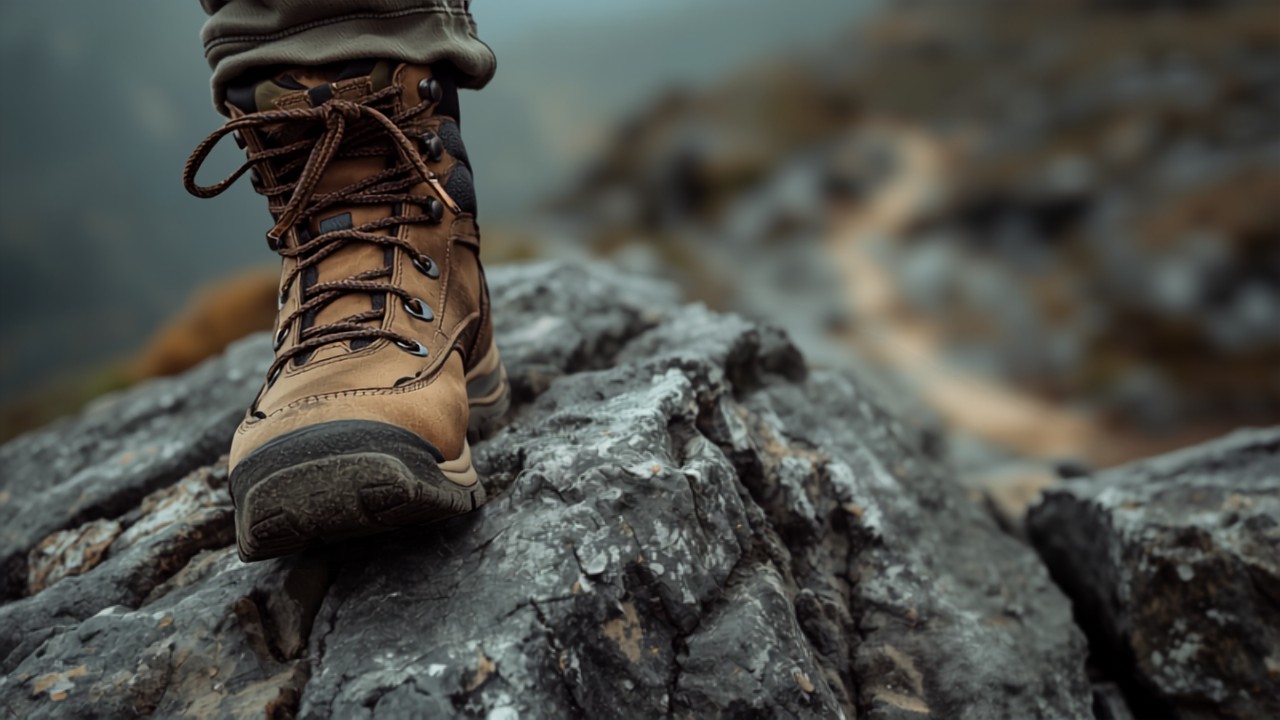
Hiking boots are an essential piece of gear, especially for foot safety, among the "three essential items" you should prioritize when starting hiking. However, when you start thinking about the differences between low-cut, mid-cut, and high-cut, how to choose the size, and the price range, you might get confused about what criteria to use.
In this article, we will carefully explain the characteristics and price ranges of different types of hiking boots, how to choose the right size to avoid mistakes, and how to choose them based on foot concerns such as wide feet and high insteps.
3 Types of Hiking Boots (Low, Mid, High Cut)
Hiking boots are broadly divided into three types based on how much they cover the ankle.
Low Cut
These have a shape similar to sneakers, exposing the ankle. They are lightweight and easy to walk in, making them suitable for well-maintained low-mountain hiking courses and situations where you have light luggage and stable paths.
Mid Cut (Most Recommended for Beginners)
These boots cover just above the ankle, offering a good balance between ankle stability and ease of walking. They are the most recommended first pair for beginners. Their versatility makes them suitable for a wide range of activities, from day hikes to overnight stays in mountain huts.
High Cut
This is the most stable type, providing full ankle coverage. They are suitable for multi-day treks with heavy loads and courses with rocky or rough terrain, but they also tend to be more expensive.
Estimated Price Range by Cut
The question of "how much should I spend?" also has a tendency depending on the type (prices vary by brand and model, so please use these as a guide).
| Cut | Estimated Price Range | Suitable Situations |
|---|---|---|
| Low Cut | Around ¥8,000 - ¥20,000 | Well-maintained low mountains and hiking, day hikes with light luggage |
| Mid Cut | Around ¥15,000 - ¥25,000 | For day hikes to hut stays. Ideal for a beginner's first pair. |
| High Cut | Around ¥20,000 - ¥35,000 | For multi-day treks with tents, and courses with many rocky or rough sections. |
If you're unsure about your first pair, it's safe to start with versatile mid-cut boots and then purchase additional pairs for specific purposes as you gain experience.
How to Choose the Right Size to Avoid Mistakes
Choosing the wrong size hiking boots can lead to unexpected injuries such as blisters or damaged toenails. Be sure to keep the following criteria in mind.
Allow about 1 to 1.5 cm of space at the toe
On descents, your toes hitting the front of the boot can cause toenail damage. The recommended size is one where you have about a finger's width of space at the toe when your heel is against the back of the boot.
Try them on while wearing thick hiking socks
If you choose a size based on your regular sneakers, they may feel tight when you wear thick hiking socks. When trying them on, make sure to wear the thick socks you plan to use.
Try them on at a store with a slope board
Specialty outdoor stores often have areas where you can try on boots on an inclined platform. This allows you to check if your heel lifts on ascents or if your toes hit the front on descents, simulating actual hiking conditions.
How to Choose Based on Foot Concerns
We also introduce how to choose based on common concerns for those who "worry if they will fit my feet."
For Wide Feet
Hiking boots have brand-specific last shapes. Japanese feet tend to be wider than European or American feet, and domestic brands like Montbell and Sirius are known for using lasts that fit Japanese foot shapes. Some overseas brands, like Lowa, also offer models with wider lasts. We recommend consulting with a specialist at a store to have them assess your foot shape and advise on brands with lasts that suit you.
For High Insteps
For those with high insteps, choosing boots with adjustable laces can help reduce pressure on the top of your foot. When trying them on, check for pressure in both the loosened and tightened lace states.
When Your Feet Are Different Sizes
Most people have slightly different sizes between their left and right feet. If this is a concern, the common practice is to choose a size that fits your larger foot and use insoles or other adjustments for the smaller foot.
Summary
When choosing hiking boots, the key to avoiding mistakes is to first narrow down your options to "low, mid, or high cut" based on your hiking style, and then confirm the fit based on size and your foot's characteristics. Especially for beginners, we recommend considering mid-cut boots for their versatility and trying them on at a specialty store.
For information on how to prepare your overall gear and budget, please also see our Guide to What Beginners Need for Hiking.