
Introduction
"I want to start hiking, but I'm afraid of getting lost or having an accident." - It's likely that many people feel this way. Hearing news of mountain accidents can indeed make you feel uneasy.
However, many accidents and incidents can be prevented with proper preparation and knowledge. This article will carefully explain the safety measures that beginners should know, following a timeline of before, during, and after the hike. We have also specifically compiled information on 'first aid for injuries' and 'how to contact someone in an emergency,' which are surprisingly scarce.
Let's turn your anxiety from 'what you don't know' into 'what you can prepare for.'
Safety Measures You Can Take Before Hiking
Plan Your Hike and Submit a Hiking Notification
Choose a course that suits your physical fitness and research the course time, difficulty, availability of water sources, etc., in advance. Submitting a 'hiking notification (hiking plan)' will also serve as a clue for search efforts in case of an emergency. You can also submit it through hiking apps like YAMAP.
Check the Weather Forecast Frequently
Mountain weather changes more easily than in flat areas, and thunderstorms tend to occur more frequently in the afternoon. Make it a habit to check the weather forecast not only the day before but also before you leave on the day of your hike.
Prepare Essential Gear
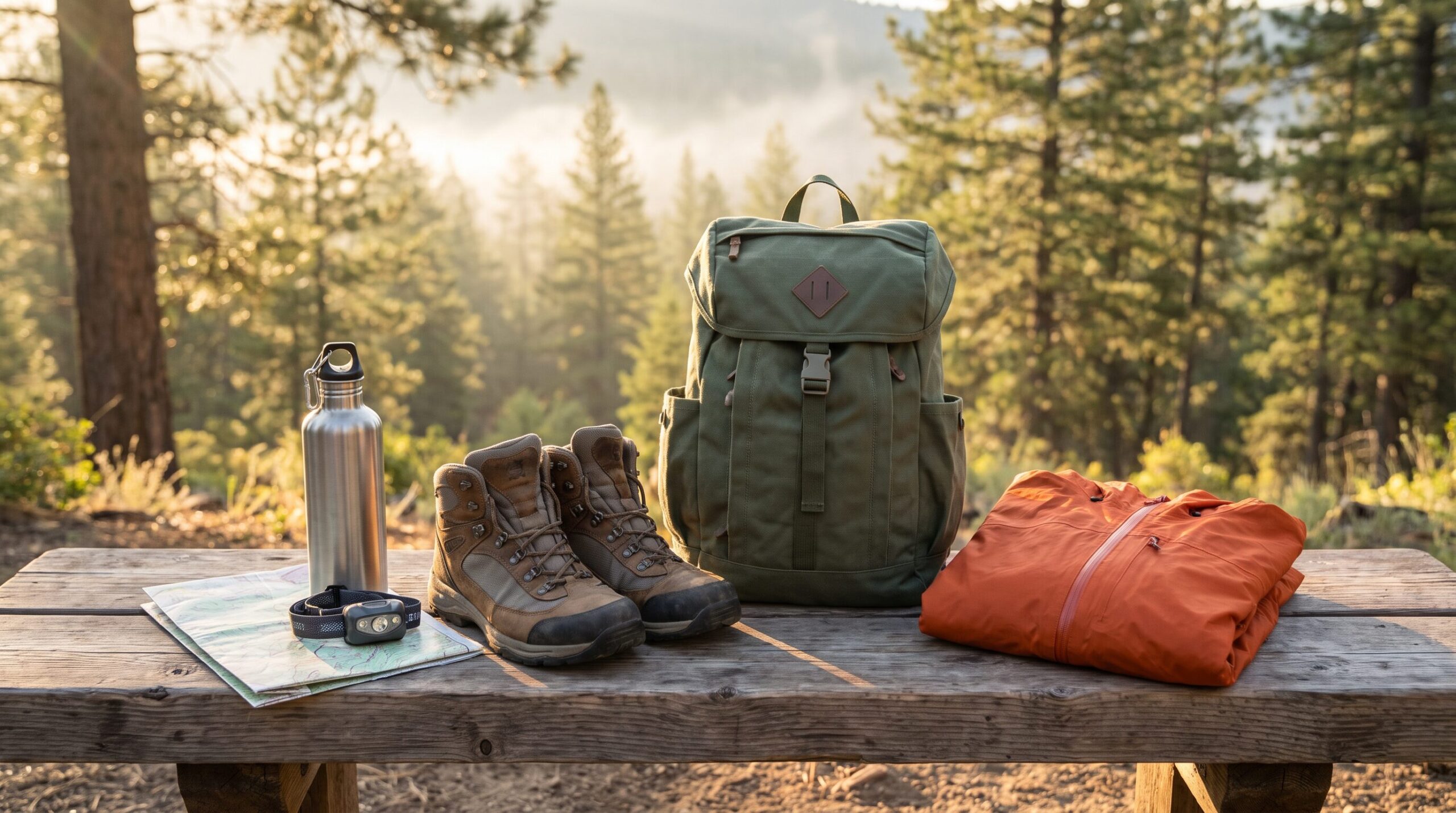
Essential gear, starting with the 'three essential items' of hiking boots, a backpack, and rainwear, is directly linked to safety. How to choose your gear and budget estimates are explained in detail in the Guide to What Beginners Need for Hiking.
Build Up Your Physical Fitness
Building up your physical fitness through regular walking or climbing stairs can reduce the risk of falls and slips due to fatigue.
Things to Be Aware of During Your Hike
Take Frequent Breaks and Replenish Fluids and Nutrients
When fatigue builds up, judgment deteriorates, making accidents more likely. Drink water little by little before you get thirsty, and replenish energy frequently with snacks.
If You Get Lost, the Golden Rule is to 'Turn Back'
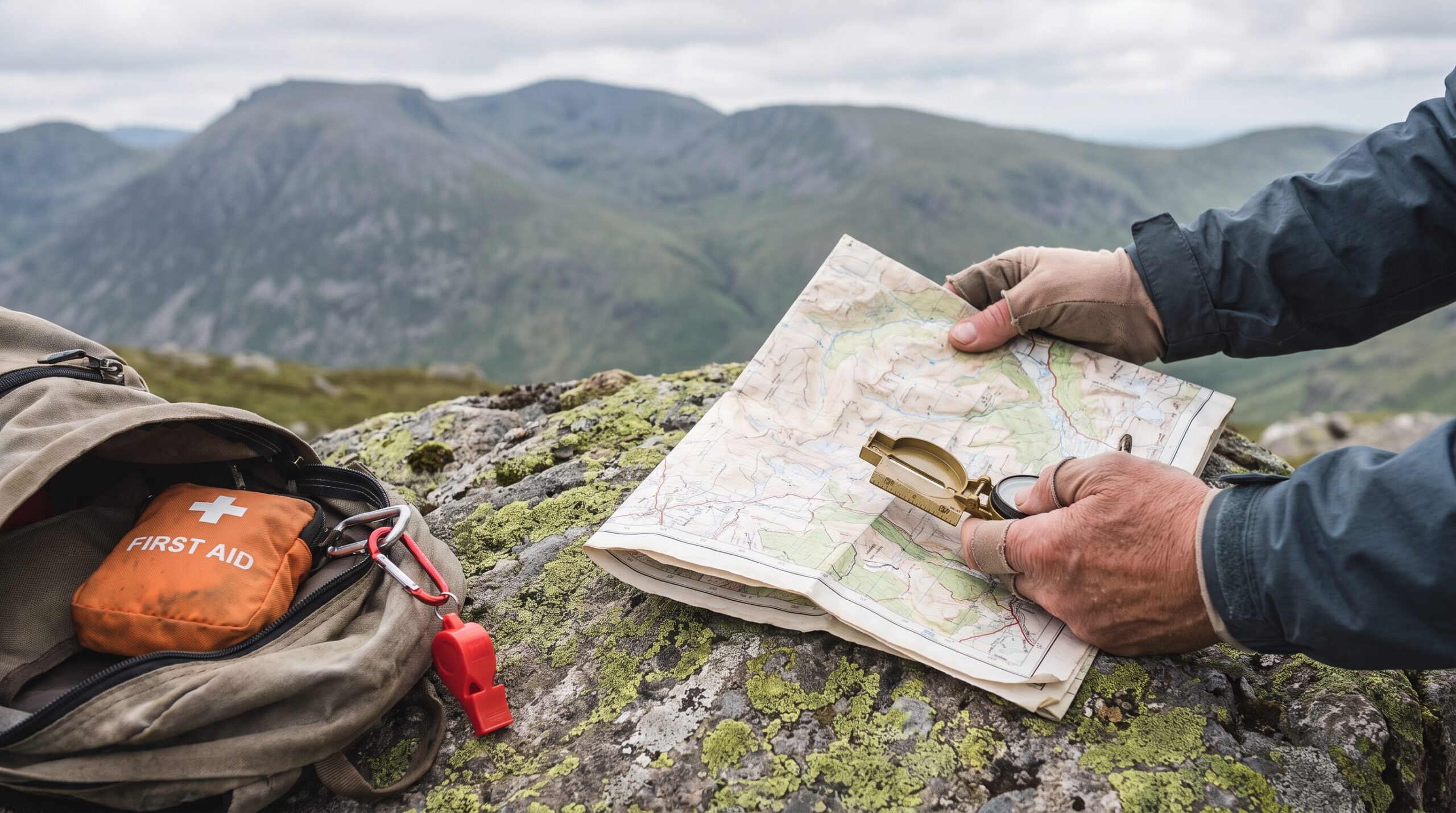
If you feel lost, the basic procedure is to stop where you are, check your location on a map or GPS app, and then retrace your steps to a point you recognize. Continuing onward while anxious can lead to getting more lost and worsening the situation, so prioritize returning calmly.
What you absolutely must avoid at this time is going downhill into ravines or valleys. It might seem easier to go down, or that following a stream will lead you to civilization, but ravines and valleys often lead to waterfalls or steep cliffs, posing a risk of falls. When lost, do not go downhill; instead, focus on retracing your steps or heading towards an open ridge.
Make Prompt Decisions if the Weather Changes Suddenly
If rain, thunder, or strong winds start, don't push forward. Make an early decision to turn back or seek shelter in a mountain hut.
Don't Let Your Guard Down on the Descent
Mountain climbing accidents actually occur frequently during the descent. The main causes are falls and slips when your legs and body are fatigued. Don't let your guard down when you're almost finished; walk cautiously until the very end.
How to Deal with Heatstroke and Hypothermia
Signs and Treatment for Heatstroke
Dizziness, headache, nausea, and heavy sweating are signs of heatstroke. If you experience these, rest in the shade, loosen your clothing, cool your body, and replenish fluids and electrolytes. If symptoms do not improve, do not push yourself and consider descending.
Signs and Treatment for Hypothermia
Shivering, confusion, and slurred speech are signs of hypothermia. Change out of wet clothes into dry ones and stay warm in a place protected from the wind. Layering (wearing multiple clothing items) to prevent body heat loss from sweat or rain is the fundamental way to prevent it.
First Aid for Injuries
There is surprisingly little information on how to deal with injuries from sprains or falls during mountain climbing. It's important to know basic first aid.
First Aid for Sprains (RICE Method)
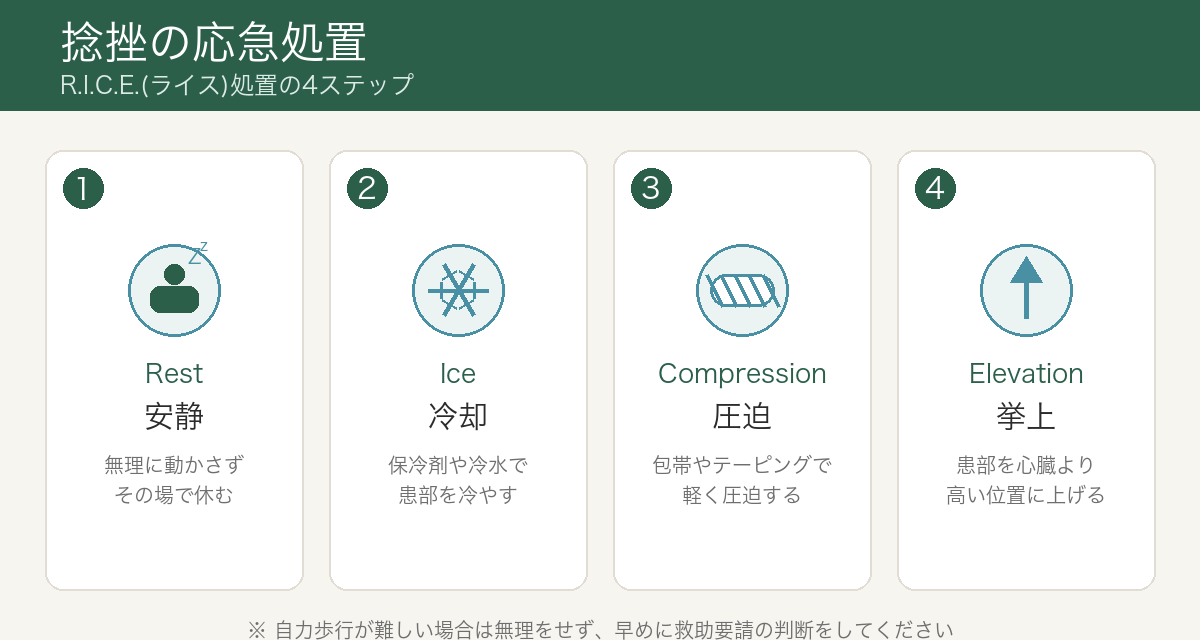
- Rest: Do not move the injured part; keep it still.
- Ice: Cool the affected area with a cold pack or cold water.
- Compression: Lightly compress with a bandage or tape.
- Elevation: Raise the affected limb to a position higher than the heart.
After providing first aid, if you cannot walk on your own, do not push yourself and request rescue using the methods described later.
How to Treat Scrapes and Cuts
Rinse the wound with clean water, disinfect it, and then cover it with gauze or a bandage. If there is heavy bleeding, apply firm pressure to the wound with a clean cloth to stop the bleeding.
Criteria for Deciding When You Can No Longer Move
It is important to make the decision to request rescue early, without forcing yourself to continue descending on your own, based on criteria such as "whether you can walk" and "whether the pain is worsening." When in doubt, choose the "safer option."
Reporting Procedures for Getting Lost or Emergencies
It's unsettling not knowing who to contact in an emergency. Let's learn the procedure in advance.
When Your Phone Connects
In emergencies in the mountains, such as getting lost or being unable to move due to injury, you can call either 110 (Police) or 119 (Fire Department). In areas with mountain rescue teams, the police often respond, and in areas with fire department rescue systems, the fire department often responds. However, information is shared between them, so rather than hesitating about "which is correct" and delaying the call, prioritize contacting them promptly. Inform the operator that it is a "mountain emergency," and calmly provide your current location (GPS information from a hiking app or landmarks), the number of people, and whether there are any injuries.
When There's No Signal
There are often areas in the mountains with no cell service. Try moving to slightly higher ground or a ridge, as your signal may recover. Some hiking apps have a feature that allows you to share your location with family or emergency contacts when you are in an area with reception.
We Recommend Confirming with Primary Sources
Since the reporting destinations and procedures may vary in detail depending on the region and situation, in addition to the information in this article, we recommend checking the latest disaster prevention information issued by the police and local governments in your area or planned hiking destination.
Hiking Insurance for Peace of Mind
The most costly aspect of a mountain accident is the expense of search and rescue operations. It is said that using a private helicopter can cost hundreds of thousands of yen per hour, and if the search is prolonged, the total cost can exceed one million yen.
If you have mountain climbing insurance, you may be able to cover these search and rescue costs with your insurance. Even for a day hike in low mountains, it is worth considering getting insurance in case of an emergency.
Summary
Mountain climbing safety measures can be easily understood by dividing them into three categories: "preparation before climbing," "decisions during climbing," and "actions in case of emergency." In particular, knowing first aid for injuries like sprains and emergency reporting procedures can greatly increase your peace of mind.
Please have the correct knowledge and enjoy your mountain climbing with peace of mind.