- Introduction
- Reasons why a headlamp is necessary for hiking
- Choosing by brightness (lumens): Guidelines and price ranges by use
- Rechargeable or battery-powered: Which should you choose?
- How many spare batteries/power sources do you need?
- Measures against battery leakage and storage methods, which are often overlooked
- Understanding waterproof performance (IPX standards)
- Summary
Introduction
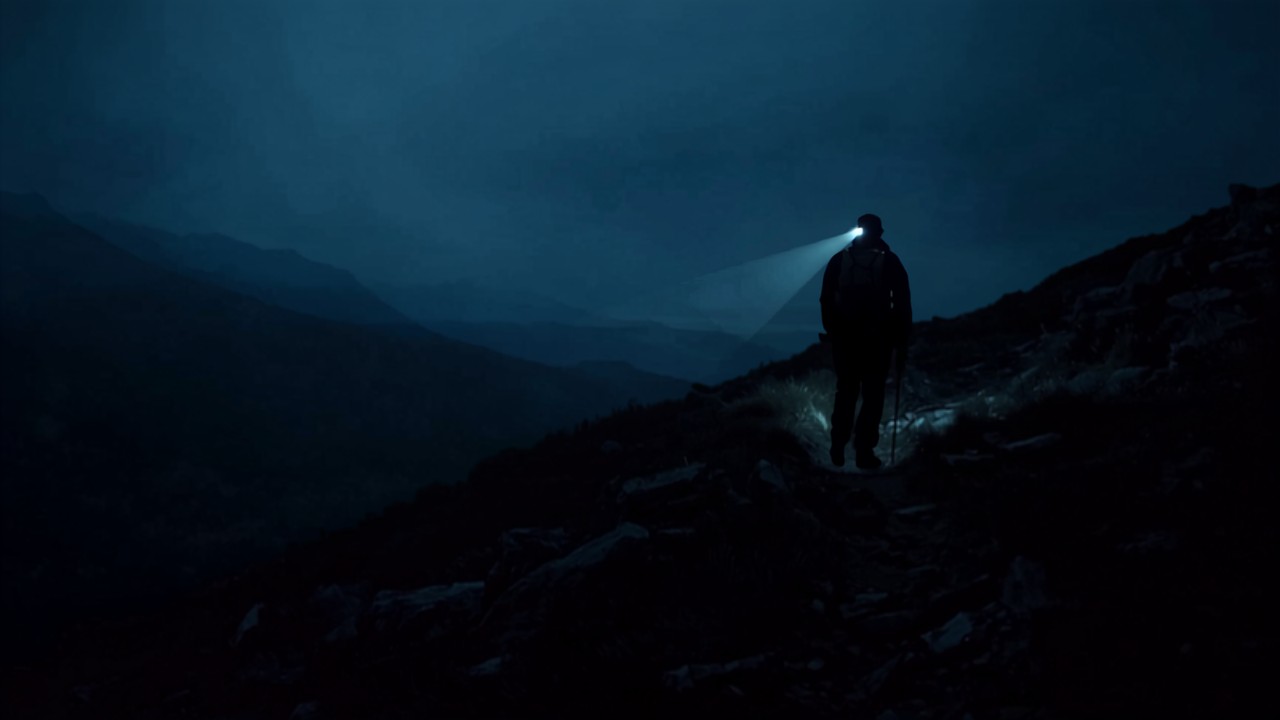
Even on day hikes, you may need to move in the dark if you start early in the morning or descend late. Along with the "three essential items" (hiking boots, backpack, rainwear), a headlamp (headlight) is something you'll want to have, just like trekking poles. Many people may be wondering, "How many lumens do I need?" and "Should I choose rechargeable or battery-powered?"
This article carefully explains price ranges and uses by lumen, how to choose between rechargeable and battery-powered, and the often-overlooked "measures against battery leakage" and "how many spare batteries are needed."
Reasons why a headlamp is necessary for hiking
Even on day hikes, a headlamp may be necessary in the following situations:
- When aiming for a sunrise by starting early in the morning
- When your progress is slower than the estimated time and you end up descending after sunset
- When going to the restroom after lights out in a mountain hut or tent
Even if you think, "I'm only doing a day hike, so I don't need one," anyone can be forced to move in the dark if they get lost or injured and their progress is delayed. A headlamp is one of the basic pieces of hiking equipment (ten essential items), so be sure to pack it in your backpack, even for day hikes.
Choosing by brightness (lumens): Guidelines and price ranges by use
The brightness of a headlamp is expressed in units of "lumens (lm)," and the required brightness varies depending on the intended use.
| Lumen range | Main uses | Estimated Price Range |
|---|---|---|
| 200 lm or less | Mainly for close-range use, such as for spare use on day hikes or for tasks inside a tent | Around 5,000 to 8,000 yen |
| 300–600 lm | Versatile use, such as walking at night in mountain huts or tents | Around 6,000 to 15,000 yen |
| 1,000 lm or more | High-intensity use for trail running, which assumes night activity, or for long periods of walking in the dark | Around ¥15,000 - ¥25,000 |
For beginners, we recommend models with around 300-600 lumens. Models that are brighter than necessary not only cost more but also have disadvantages in terms of consideration for oncoming traffic and battery consumption, as explained later.
Rechargeable or battery-powered: Which should you choose?
Headlamps come in two types: those with built-in rechargeable batteries charged via USB, and those that use replaceable dry batteries.
| Type | Advantages | Disadvantages |
|---|---|---|
| Rechargeable | No battery costs. Many compact models. | If the battery runs out during activity, you cannot replace it on the spot (requires charging with a mobile battery). |
| Battery-powered | As long as you have spare dry batteries, you can replace them immediately during activity. AA and AAA batteries are easy to find at convenience stores, etc. | Adds weight from batteries. Risk of leakage (explained later). |
If you primarily do day hikes, a rechargeable model is recommended. If you stay in mountain huts or camp and use it for multiple days, a battery-powered model (or a dual-compatible model) is recommended. Recently, there are also hybrid models that support both rechargeable and dry batteries, so if you're unsure, choosing one of these models will give you peace of mind.
おすすめのヘッドランプ(PR)
NITECORE NU21(360ルーメン・USB-C充電式) — 日帰り登山向けの充電式モデル
Lepro LEDヘッドランプ(電池式・単4形電池対応) — 山小屋泊・テント泊向けの電池式モデル
How many spare batteries/power sources do you need?
It's easy to think 'the more spares, the better,' but in reality, the number needed varies depending on your hiking style.
- Day hikes: If you fully charge before departure and use new batteries, you generally don't need spares.
- Mountain hut stays (approx. 1 night): Since it's only used for short periods, such as for trips to the restroom after lights out, it's reassuring to have one spare battery (or one mobile battery) as a guideline.
- Tent camping/Trekking (multiple nights): Since usage frequency increases, it's often sufficient to share 1-2 spare batteries within the group; individuals don't need to carry a large number.
If you are hiking with companions, considering sharing spares within the group will prevent you from carrying unnecessary extra weight.
Measures against battery leakage and storage methods, which are often overlooked
The main concern with battery-powered headlamps is battery leakage. If batteries are left in the unit for long periods, leakage can occur even when not in use, potentially damaging the unit.
- Remove batteries when not in use for extended periods: During off-seasons or periods when you won't be hiking for a while, remove the batteries from the unit and store them separately.
- Choose batteries that are less prone to leakage: Even among general alkaline batteries, there are differences in resistance to leakage depending on the product. If you plan to store them for a long time, it's safer to choose batteries that advertise leakage prevention measures.
- Do not leave rechargeable batteries fully charged for extended periods either: Lithium-ion batteries degrade faster if left fully charged or fully depleted for long periods, so it's recommended to store them at around half charge.
It can cause major trouble if you notice the battery is dead or it malfunctions just before departure, so make it a habit to turn on the power and check its operation once before the season begins.
Understanding waterproof performance (IPX standards)
Waterproof standards such as "IPX4" and "IPX6" are listed on the headlamp's spec sheet. The larger the number, the higher the waterproof performance. For mountain climbing, it's safe to use IPX4 (withstands water splashes from all directions) as a minimum guideline. If you anticipate situations where it's more likely to get wet, such as in heavy rain or river trekking, choosing a model with higher waterproof performance of IPX6 or above will provide greater peace of mind.
Summary
For beginners, the key to avoiding mistakes with headlamps is to first choose a rechargeable or battery-powered model with around 300-600 lumens that suits your climbing style, and to understand how to prevent battery leakage and the appropriate number of spare batteries. Don't let your guard down just because it's a day trip; always keep it in your backpack.
For information on how to prepare your overall gear, please see the Guide to Necessary Items for Beginner Hikers. For other gear selection, also see the Complete Guide to Choosing Hiking Boots, Complete Guide to Choosing a Hiking Backpack, Complete Guide to Choosing Hiking Rainwear, and Complete Guide to Choosing Trekking Poles.